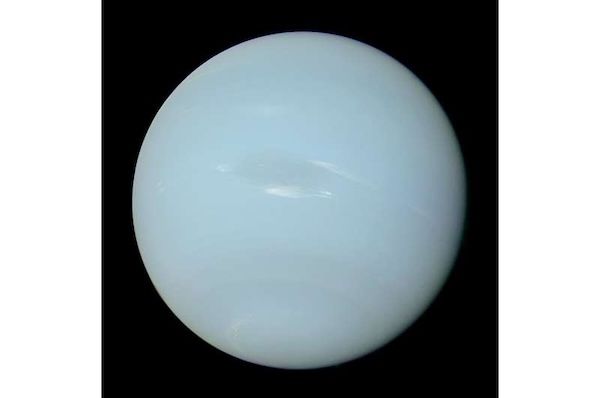
"Neptune is the solar system's most distant planet, a cold, blue ice giant sitting nearly 30 times further from the Sun than Earth. At that remote distance, temperatures plunge to nearly minus 200 degrees Celsius, and a single year lasts 165 Earth years. Yet despite its isolation, Neptune is a world whipped by the fastest winds in the solar system and home to one of its most bizarre moons." |
|
|
Every click, scroll, and late-night search is basically a public performance for trackers you didn't invite. Your data gets passed around like snacks at a party you didn't know you were hosting. AdGuard VPN quietly shuts that down, masking your activity, blocking trackers, and letting you exist online without an audience. It's like flipping your entire digital life to private mode — without breaking or slowing down how you browse. [Ad] |
|
|
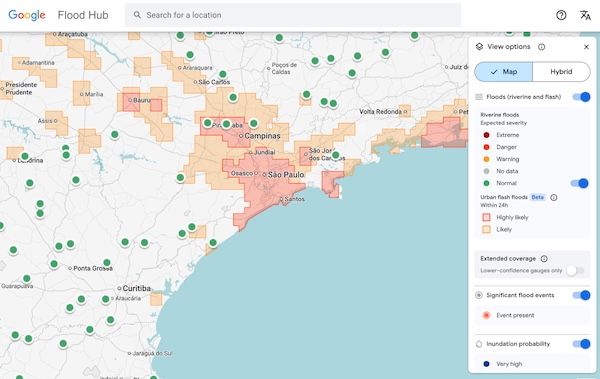
"Flash floods are among the deadliest weather events in the world, killing more than 5,000 people each year. They're also among the most difficult to predict. But Google thinks it has cracked that problem in an unlikely way — by reading the news. While humans have assembled a lot of weather data, flash floods are too short-lived and localized to be measured comprehensively, the way the temperature or even river flows are monitored over time. That data gap means that deep learning models, which are increasingly capable of forecasting the weather, aren't able to predict flash floods. To solve that problem, Google researchers used Gemini — Google's large language model — to sort through 5 million news articles from around the world, isolating reports of 2.6 million different floods, and turning those reports into a geo-tagged time series dubbed 'Groundsource.' It's the first time that the company has used language models for this kind of work." |
|
|
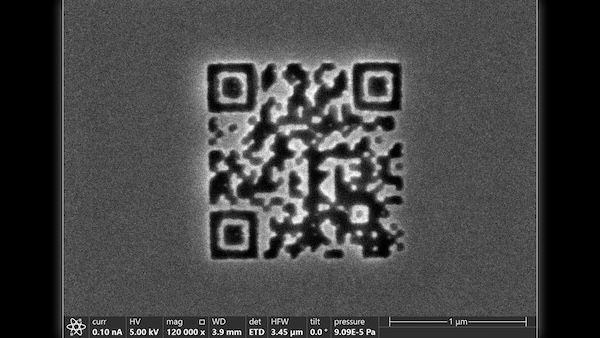
"Scientists have created a microscopic QR code so tiny it can only be seen with an electron microscope — smaller than most bacteria and now officially a world record. But this isn't just about size; it's about durability. By engraving data into ultra-stable ceramic materials, the team has opened the door to storing information that could last for centuries or even millennia without needing power or maintenance." |
|
|
Everything costs more, your money does less, and somehow eggs now feel like a luxury purchase. Sam's Club Plus might just be the low-key hack where buying bigger means paying less (per unit, we're not animals). Stock up on essentials, snacks, and things you didn't plan on needing until suddenly you do. With a year of Plus for $60, you'll get cash back rewards, free shipping, and early shopping hours on top of a standard Club Membership. It's not about spending more — it's about outsmarting the system with a very large cart. [Ad] |
|
|
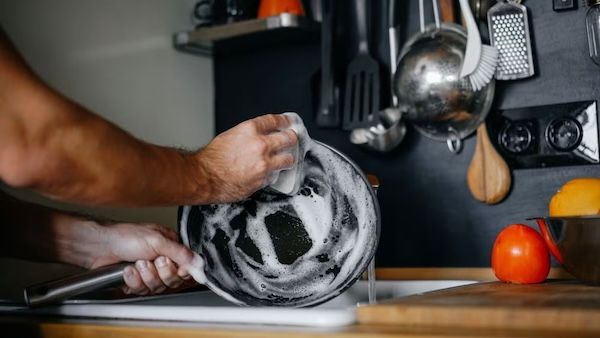
"Blue light, a sheet of filter paper, and a stubborn class of industrial chemicals do not sound like much of a match. Yet that simple setup sits at the center of a new attempt to tackle PFAS, the long-lasting compounds often called 'forever chemicals' because they resist breaking down in nature. An international research team led by the University of Bath has built a prototype carbon-based catalyst that uses light to break down a model PFAS compound. The work … points to a possible way not only to destroy some of these chemicals but also, eventually, to help detect them outside specialist labs." |
|
|
Interested in having one of your social posts featured in The Futurist? |
|
|
Powered by StackCommerce
17383 Sunset Blvd. Suite A345
Pacific Palisades, CA 90272
Copyright © 2026 StackCommerce
All rights reserved | |
|
|



![StackSocial - The internet is watching. Watch back. | [Partner]](https://library.iterable.com/1435/4842/2802b4143a764cf892199ad965ff13b4-20260402_futurist_2_adguard.gif "StackSocial - The internet is watching. Watch back. | [Partner]")



![StackSocial - Beat inflation at its own game | [Partner]](https://library.iterable.com/1435/4842/51d8ba8f1a5d4a80a33267bd50b90fdc-20260402_futurist_5_samsclub.jpg "StackSocial - Beat inflation at its own game | [Partner]")






Tidak ada komentar:
Posting Komentar